The Browser Gaming Revolution: Why WebGL Shooters Are Challenging Native PC Games
For decades, the gaming industry adhered to an unyielding dogma: if you want high-fidelity 3D graphics, responsive netcode, and competitive esports integrity, you must download a 90-gigabyte executable installer, wait two hours for patching, and reboot your machine.
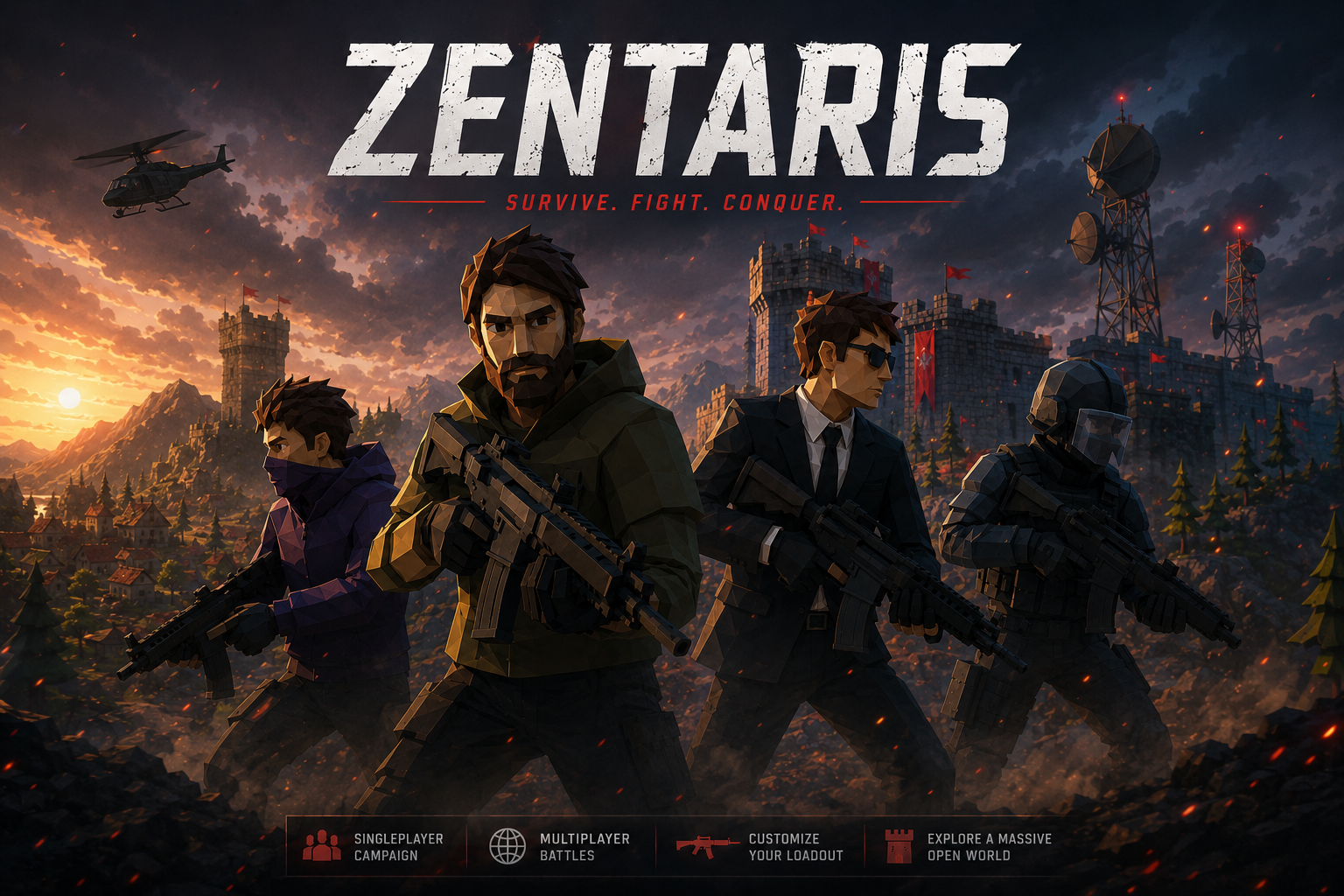
Zentaris is part of a radical vanguard proving that dogma obsolete.
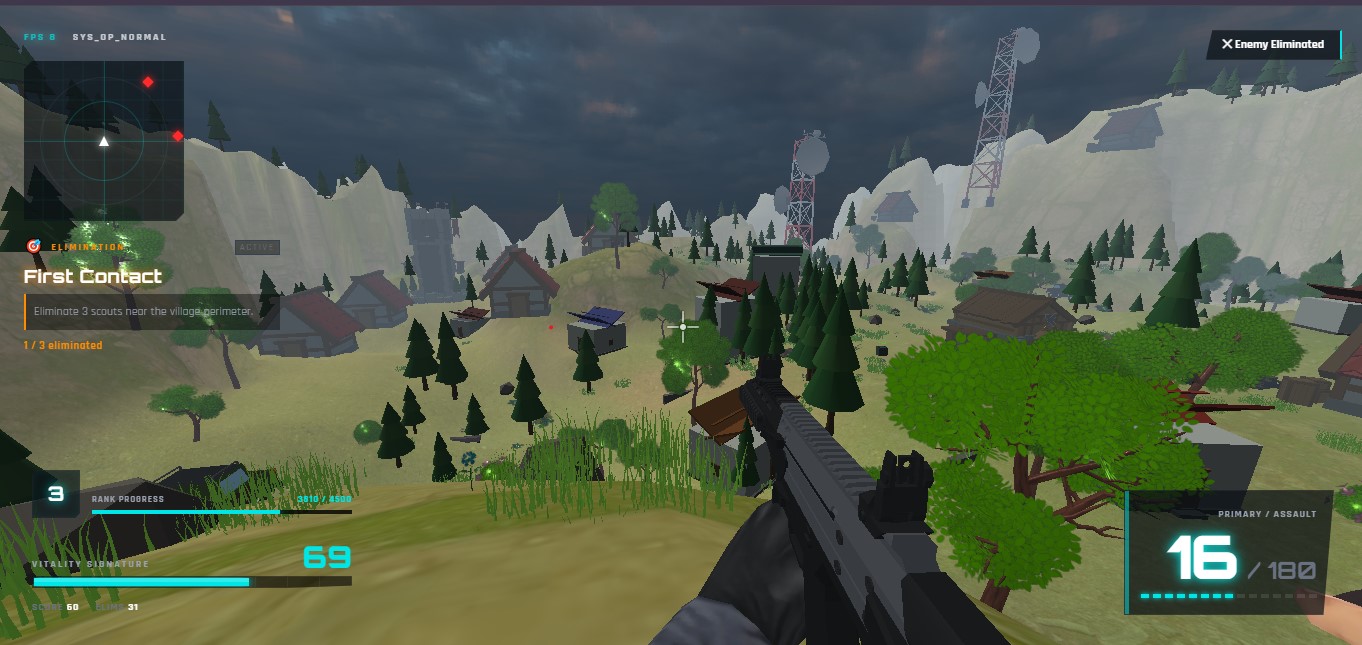
By combining modern WebGL 2.0 rendering pipelines, WebAssembly (WASM), and next-generation WebGPU standardizations, players can now click a single link and engage in high-octane 3D tactical warfare within five seconds.
1. The Technology Trifecta Powering Browser Shooters
Three primary technological advancements have converged to make browser-based tactical shooters viable:
A. WebAssembly (Near-Native CPU Execution)
Historically, web games relied on JavaScript, an interpreted, garbage-collected language unsuitable for sub-millisecond physics simulations. With WebAssembly, game logic written in high-performance languages compiles directly into low-level binary bytecode. The browser executes physics calculations, hit registration, and player bounding boxes at roughly 95% the speed of native C++ executables.
B. WebGL 2.0 & WebGPU Shaders
WebGL 2.0 unlocks modern GPU pipelines directly within the browser tab. Complex Physically Based Rendering (PBR) materials, directional shadow cascades, bloom post-processing, and particle simulations run natively on your graphics card's dedicated VRAM.
C. Low-Latency WebSockets & WebRTC DataChannels
Competitive multiplayer requires real-time state synchronization at 30 to 60 server ticks per second. WebRTC DataChannels bypass standard HTTP overhead, providing UDP-like unordered packet delivery that slashes round-trip network latency to the absolute minimum.
2. Comparison: Browser FPS vs. Native Client FPS
| Performance Metric | Traditional Downloadable Client | Zentaris Browser-Based Platform |
|---|---|---|
| Initial Download Size | 45 GB – 110 GB | 0 MB (Instant Streamed Assets) |
| Time to First Match | 45 to 120 Minutes | Under 5 Seconds |
| Cross-Platform Compatibility | Windows-heavy; limited Linux/Mac | 100% Cross-Platform (Any Modern Browser) |
| Hardware Access | Direct DirectX 12 / Vulkan API | Direct WebGL 2.0 / WebGPU Layer |
| Frame Rate Ceiling | 144Hz – 360Hz | 120Hz – 240Hz (Hardware Accelerated) |
| Installation Footprint | Massive SSD storage requirement | Zero Local Disk Overhead |
3. Demolishing the Barrier to Entry
In modern esports, accessibility is king. High-school computer labs, university libraries, Chromebooks, and lightweight ultrabooks can all launch zentaris.online and participate in the exact same ranked multiplayer lobbies as high-end gaming rigs.
By removing the friction of administrative install privileges, massive hard drive allocations, and bloated anti-cheat drivers that demand kernel-level system permissions, browser-based tactical shooters democratize competitive gaming for a truly global audience.
The browser isn't just a platform for documents and videos anymore. It is the new frontier of competitive gaming.